
The Effects of the Resurrection
Saturday, April 11th Readings Reflection: Saturday in the Octave of Easter

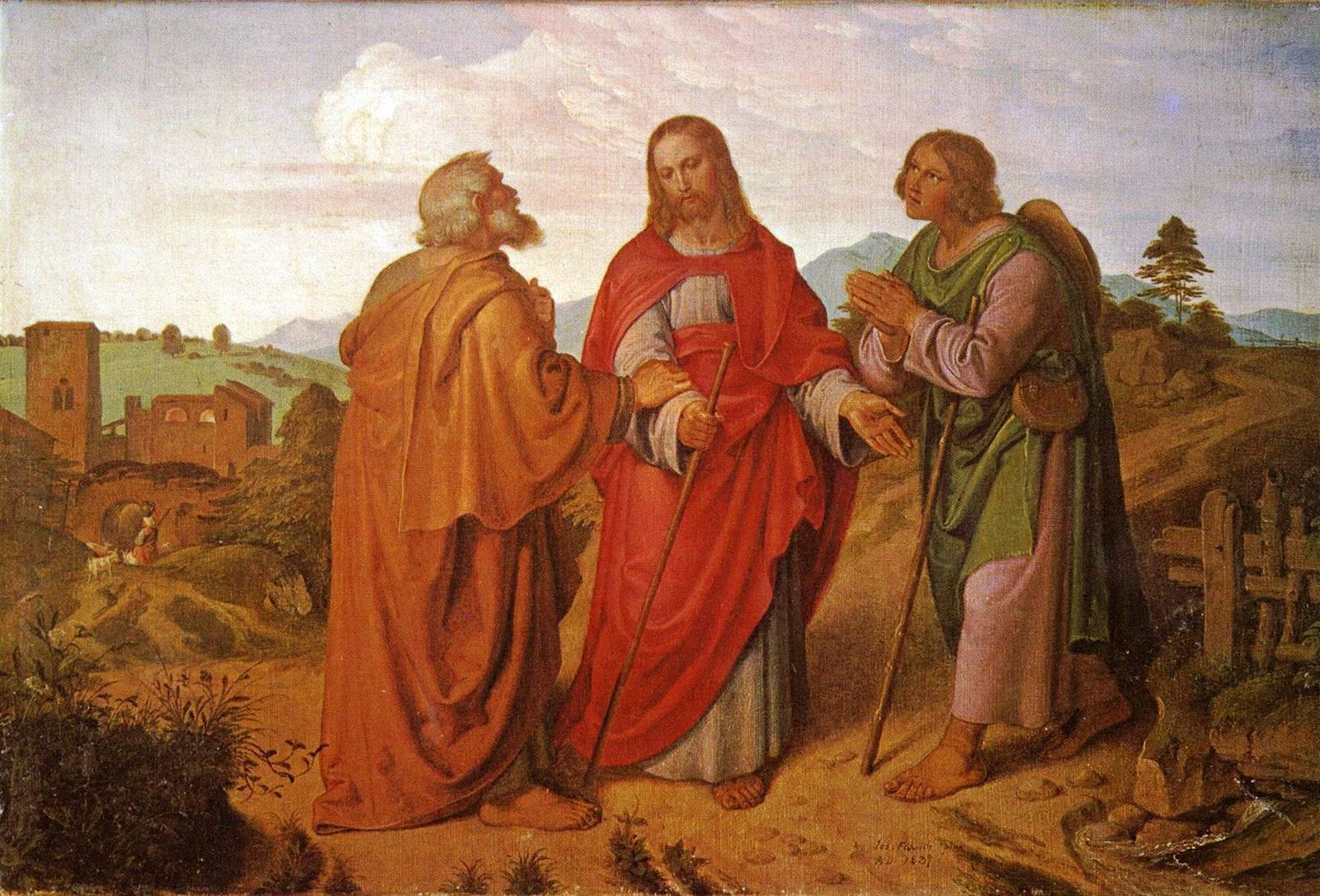
In today’s Gospel, we hear how the Apostles were mourning and weeping after Christ’s Death on the Cross. They locked themselves in the upper room for fear that they might be put to death for their association with Jesus. St. Mary Magdalen brought them the joyful news that Christ had risen, but they would not believe her. Then the apostles who met Our Lord on the road to Emmaus returned with their witness to the Resurrection, but still the other Apostles did not believe them. Finally, as we hear in today’s Gospel, the risen Jesus Himself appeared to the Apostles. He rebuked them for their lack of faith and hardness of heart in refusing to believe those who had seen Him after His Resurrection.
For most of us throughout the rest of time, we must rely on ancient testimony and veiled signs to know the reality of Christ’s Resurrection. Most of us will not see Him in His glorified Body until He judges us at our deaths. Sadly, many reject the credibility of these first century eyewitnesses, choosing to believe the lies of the Roman soldiers and chief priests that the disciples stole Christ’s Body. Others claim that the Apostles were hallucinating the risen Christ in their grief. Still others claim that the Gospels were written long after the time of Christ and therefore contain fanciful or fabricated information. Each of these objections can be soundly refuted, but today’s Gospel gives us the opportunity to pause and evaluate our own thoughts on the Resurrection. Do we truly believe that Christ rose gloriously from the dead?
To believe in Christ’s Resurrection is to also believe in our own resurrection from the dead at the end of the world. Even now, God gives us glimpses of His Resurrection at work in our own time. The incorruptible bodies of saints are tangible proof of the Resurrection. If Christ had not conquered sin and death, nothing would stop the natural process of death and corruption from overtaking every single body that dies. However, we know and can see with our own eyes that many bodies have been miraculously preserved from the natural process of decomposition. My favorite example of this is the only such case to occur on American soil so far: the miraculous preservation of the body of Sr. Wilhelmina Lancaster, a humble Benedictine nun who dedicated her life to serving God by praying for His priests and preserving the indispensable traditions of our Roman Catholic heritage.
In addition to the bodies of incorruptibles, we also have countless miracles that defy all scientific explanations. Perhaps the most powerful examples of the Resurrection at work in these are the accounts of saints raising people from the dead. Since the time of the Apostles themselves, we have historical reports of the dead being raised to life again by the grace of God working through His saints. The miraculous intercession of the saints in Heaven is also evidence of the Resurrection, because without Christ’s Passion, Death, Resurrection, and Ascension into Heaven, the souls of the just would not be able to enter Heaven yet.
We may be tempted, like the Apostles at first, to focus on the suffering of this world and weep and lament over it. However, the reality of the Resurrection is a call to recognize that God is more powerful than all the suffering of this world. By His Death, He has defeated death, and so we no longer need to fear it. As we continue to celebrate the beautiful and joyful season of Easter, may we become more aware of the daily reminders all around us of the reality of the Resurrection, and may we live each day with the goal of one day attaining the eternal fruits of Christ’s Resurrection.
Thank you Chantal