

37 He that loveth father or mother more than me, is not worthy of me; and he that loveth son or daughter more than me, is not worthy of me.
38 And he that taketh not up his cross, and followeth me, is not worthy of me.
39 He that findeth his life, shall lose it: and he that shall lose his life for me, shall find it.
40 He that receiveth you, receiveth me: and he that receiveth me, receiveth him that sent me.
41 He that receiveth a prophet in the name of a prophet, shall receive the reward of a prophet: and he that receiveth a just man in the name of a just man, shall receive the reward of a just man.
42 And whosoever shall give to drink to one of these little ones a cup of cold water only in the name of a disciple, amen I say to you, he shall not lose his reward.
(Matthew 10:37-42 DRA)
One of the most shocking and difficult sayings of Christ in the Gospels is the first verse in today’s reading, alongside its parallels in other passages. Abstractly, we might can recognize that we should of course love God above everything else – He’s God, and the goodness to be found in creatures is just a reflection of He who is Goodness itself.
But concretely, how do we live this out? It’s a bit easier to understand loving God more than our possessions or even ourselves, but how can we love Him more than our family and those closest to us?
What Christ speaks of in today’s opening verse is the ancient doctrine called the order or hierarchy of loves (ordo amoris). In the modern Communist-inspired distortion, one is supposed to love those farthest removed from oneself first – the natural world, the whole human population, foreigners in other countries, one’s nation, etc., with family and friends falling to the bottom of the list.
This is how Communist and socialist governments in history and today have led people to turn in their own family members for supposed treason against the State: because love of government comes before love of neighbor, friend or family.
But throughout salvation history, going back to the Old Testament and continuing into the Fathers and Doctors of the Church, God has taught us to order our loves rightly. As St. Jerome explains,
Because of what He had said, I am not come to send peace but a sword, &c. that none might suppose that family affection was banished from His religion, He now adds, He that loves father or mother more than me is not worthy of me. So in the Song of Songs we read, Order love in me. (c. 2:4.) For this order is needed in every affection; after God love thy father, thy mother, and thy children; but if a necessity should occur that the love of parents and children comes into competition with the love of God, and where both cannot be preserved, remember that hatred of our kindred becomes then love to God. He forbids not to love parent or child, but adds emphatically, more than me.
The great Doctor of Scripture thus shows us what it means to live out Christ’s command: the order of love proceeds from and is ordered to God, and whenever love for another, even those closest to us, violates our love for God, we must prefer God above all others. As St. Jerome noted, this is why Christ said previously that He came not to bring peace but a sword, division rather than unity, because love of God will often divide us from those who love the world more than Him. This has led not only to countless martyrdoms in history but also to daily struggles in family, professional and social lives for Catholics, and it is for this reason more than others than people choose not to be (real) Catholics.
This is more significant today than in some historic periods, when even in nominally ‘Judeo-Christian’ nations Catholics are frequently hated by their family members, lose friendships and find themselves confronted with hard decisions in their public lives because of their Catholic faith – or more precisely, because of sin.
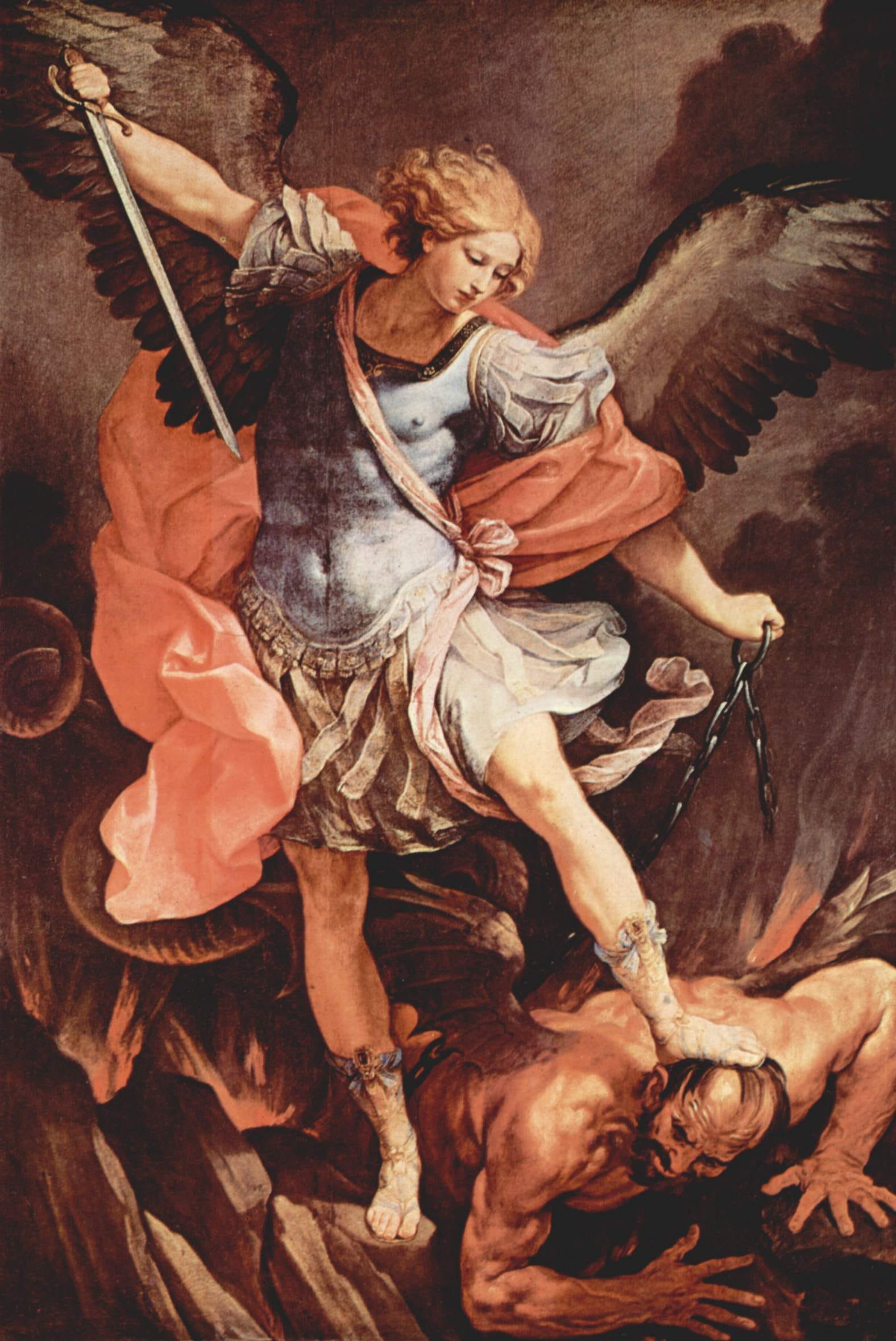
We must, then, choose who we love more: God or Satan, this world or Heaven. To which kingdom do we wish to belong: the kingdom of man or the Kingdom of God? Which reward do you want: God, who is the reward of the prophet spoken of by Our Lord; or eternal damnation in separation from Him?
The first involves great suffering in this world but joy in the next, while the second often gives luxuries and popularity here but only everlasting misery once it has all rotted away. This is why St. Hilary of Poitiers taught, “For they who have esteemed domestic affection of relations higher than God, are unworthy to inherit good things to come.”
But, of course, love of God cannot be separated from love of neighbor – they must be rightly ordered but never detached. This is why Christ says to take up your cross and follow Him, by which He means that we should accept our sufferings as penance, offer them to Him, and obey Him in all things, including the hospitality shown to His disciples as the Shulamite woman did to Elisha in the first reading. St. Thomas Aquinas thus wrote,
If any man loves not his neighbor, neither does he love God, not because his neighbor is more lovable, but because he is the first thing to demand our love: and God is more lovable by reason of His greater goodness.
Many people today separate and even oppose love of God and love of neighbor, most of all by opposing justice to mercy. For many, to show mercy and charity to others means to ignore their sins, while correction is seen as an expression of hatred. But this has never been the truth, as St. Gregory the Great makes clear:
The cross is so called from torment; and there are two ways in which we bear the Lord’s cross; either when we afflict the flesh by abstinence; or when in compassion for our neighbour we make his afflictions our own. But it should be known that there are some who make a shew of abstinence not for God, but for ostentation; and some there are who shew compassion to their neighbour, not spiritually but carnally, not that they may encourage him in virtue, but rather countenancing him in faults. These indeed seem to bear their cross, but do not follow the Lord; therefore He adds, And followeth me.
Inspired by today’s Gospel, then, may we daily choose to love God above all things, to take up our cross and offer it to Him for our sins, and to endure any persecution, division and hardship to love Him and to love our neighbor for His sake, just as Christ showed us in His earthly life.
Join the Fellowship at Saint Tolkien!
Amen!